
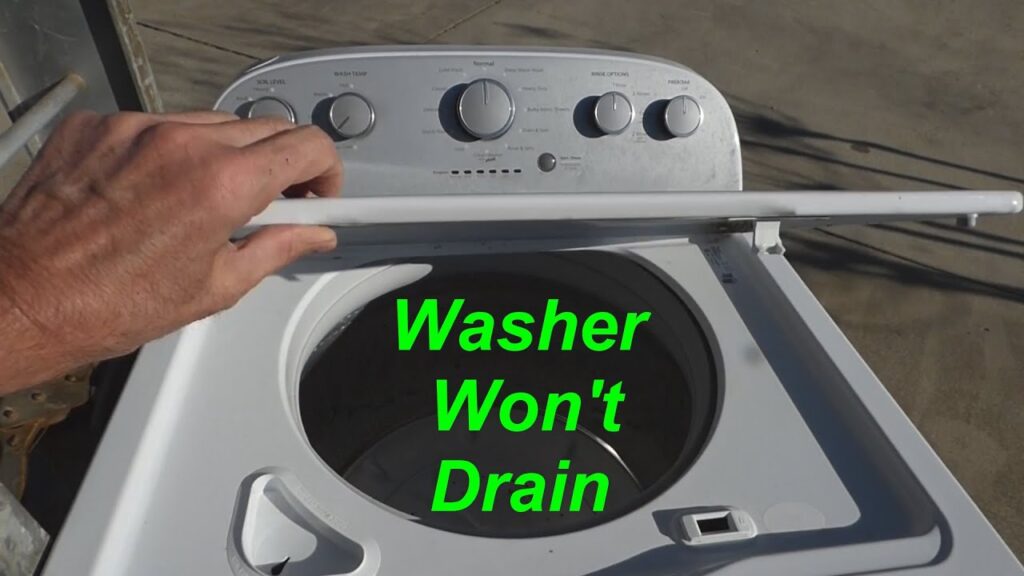
A washer that won’t drain is more than an inconvenience — it can flood your laundry room, damage floors, and ruin clothes. Before you pay for a service call, try these simple checks you can safely do at home.
Safety First
Unplug the washer from the outlet and turn off the water supply valves. Never put your hands near moving parts, exposed wiring, or sharp metal edges. If you smell burning, see smoke, or notice water near electrical outlets, stop and call a professional immediately.
1. Reset the Cycle and Check the Basics
Sometimes the issue is just a stuck program.
- Cancel the current cycle on the control panel.
- Select a Drain/Spin or Spin Only cycle and start it again.
- Make sure the lid or door is fully closed and latched.
- Confirm the machine is plugged in securely and the breaker hasn’t tripped.
If the washer drains after a reset, you likely had a software glitch or an incomplete cycle.
2. Inspect the Drain Hose
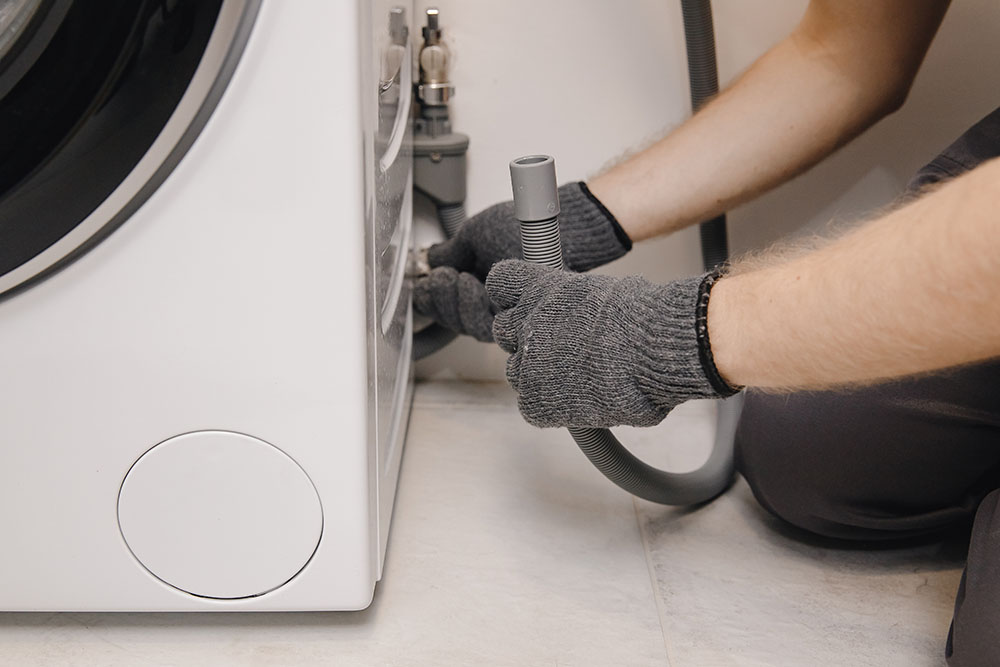
A kinked or blocked drain hose is one of the most common reasons a washer won’t drain.
- Locate the drain hose at the back of the machine.
- Straighten any sharp bends or kinks.
- Make sure the hose is not crushed behind the washer or pinched by furniture.
- Check the end of the hose where it enters the standpipe or sink — lint and debris can build up here.
If water starts flowing freely after you adjust or clear the hose, you’ve found your problem.
3. Clean the Drain Filter / Coin Trap
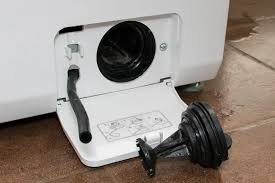
Many modern washers have a small filter or “coin trap” that catches lint, coins, and buttons.
- Look for an access panel at the bottom front of the washer.
- Place a shallow pan or towels under the panel — some water will come out.
- Open the filter cap slowly and remove any debris, coins, hair, or fabric.
- Rinse the filter under running water, reinstall it, and close the panel securely.
A clogged filter can completely block draining, and cleaning it is often enough to restore normal operation.
4. Check the Drain Pump for Blockages
If the washer still won’t drain, the pump itself may be blocked.
- With the machine unplugged, access the pump from the back or bottom panel (location depends on the model).
- Look for a small motor with hoses attached.
- Gently squeeze the hoses near the pump and feel for socks, fabric, or other obstructions.
- If you can safely remove the hose, do it slowly and be ready for water.
Do not run the washer with hoses disconnected or panels removed. If you’re unsure, skip this step and call a technician.
5. Test the Lid or Door Switch
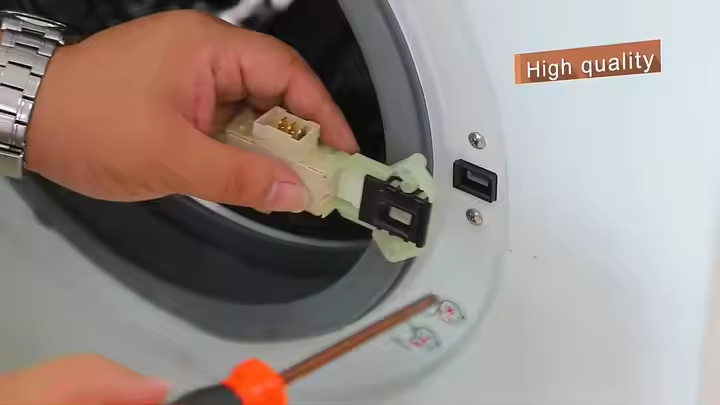
Top-load washers won’t spin or drain if the lid switch fails. Front-load machines behave the same way when the door lock is faulty.
- Close the lid/door firmly and listen for a click.
- On top-load models, press the lid down and start a drain or spin cycle — gently lift the lid to see if the cycle stops.
- If there’s no response or the “door lock” indicator never lights up, the switch or lock may be defective.
A faulty switch usually needs professional replacement.
6. Make Sure Your Home Drain Isn’t Clogged
Sometimes the washer is fine — the problem is in your plumbing.
- Run a regular faucet into the same standpipe or sink the washer uses.
- If water backs up or drains very slowly, you likely have a clog in the home drain.
- Try a plunger or a suitable drain cleaner (following label instructions), but avoid harsh chemicals that can damage pipes.
If the drain is blocked, the washer can’t push water out, so fixing the plumbing issue is essential.
7. Stop Overloading and Rebalance the Load
A severely unbalanced or overloaded drum can prevent the washer from reaching a full spin, leaving water in the tub.
- Remove some items and run a Spin/Drain cycle again.
- Spread heavy items (like towels or blankets) evenly around the drum.
- Follow the manufacturer’s load size recommendations — the drum should not be packed tight.
If the washer drains once the load is reduced and balanced, adjust how much you wash at one time.
When to Stop DIY and Call a Pro
Stop troubleshooting and call a technician if:
- The washer hums but won’t pump water out.
- You see leaks under the machine.
- The washer shows repeated error codes even after cleaning filters and hoses.
- You smell burning or see scorch marks near wiring or the control panel.
That usually means you’re dealing with a failing pump, control board, wiring issue, or another fault that requires tools and expertise.
For fast, local help with persistent draining problems, schedule professional washer repair so a qualified technician can diagnose and fix the issue safely.